Exploring the Conveniences of Reliable Irrigation Equipments for Sustainable Agriculture
Effective Irrigation systems play an important role in sustainable farming. They maximize water usage and boost crop manufacturing while minimizing ecological effect. Methods such as drip Irrigation warranty that water gets to plant roots successfully, decreasing waste and soil deterioration. As these systems become a lot more widespread, their implications for farmers and the wider community warrant more detailed assessment. What specific advantages do they offer in the face of growing climate challenges?
Comprehending Reliable Irrigation Solutions
Although different Irrigation techniques exist, recognizing effective Irrigation systems is necessary for maximizing water usage in agriculture. Effective Irrigation includes technologies and methods made to supply water directly to plants in a regulated fashion, lessening waste and optimizing performance. Traditional approaches, such as furrow and flood Irrigation, frequently lead to considerable water loss with dissipation and drainage. In comparison, contemporary systems, consisting of drip and lawn sprinkler Irrigation, enable targeted application, guaranteeing that plants obtain the precise amount of water required for growth.
Farmers need to evaluate elements such as soil type, plant demands, and environment problems when picking a watering system. Furthermore, the combination of smart innovations, like dampness sensing units and automated controls, can additionally boost effectiveness. By embracing effective Irrigation methods, farming stakeholders can conserve water resources, lower prices, and promote sustainable farming, eventually adding to the strength of agricultural systems in the face of climate adjustment.
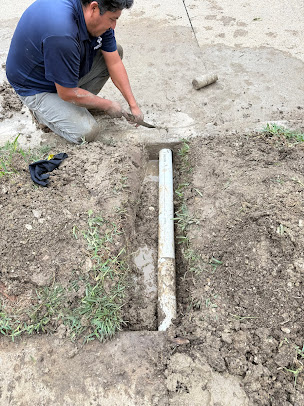
Key Advantages of Effective Irrigation
Effective Irrigation systems provide substantial advantages for lasting farming (Drip Foundation). They integrate water conservation techniques that not only decrease waste but also improve plant yields. Additionally, implementing these systems can lead to cost-efficient methods, profiting both farmers and the environment
Water Conservation Techniques
As water scarcity comes to be a progressively pressing concern, the fostering of sophisticated Irrigation methods emerges as a vital method for promoting lasting agriculture. These strategies consist of drip Irrigation, which provides water directly to plant roots, lessening dissipation and runoff. Additionally, rain harvesting systems capture and shop rain for later use, enhancing water accessibility. Soil dampness sensing units better boost water conservation by offering data-driven understandings on Irrigation demands, enabling specific water application. Mulching assists retain dirt dampness and reduces the demand for regular Irrigation. By executing these water conservation methods, farmers can considerably decrease water use, reduced functional prices, and add to environmental sustainability, making certain that farming techniques stay viable in the face of environment difficulties.
Enhanced Crop Yields
When farmers implement reliable Irrigation systems, they typically experience significant rises in plant returns. These innovative systems, created to deliver water exactly where and when it is needed, enhance plant growth problems. By lessening water stress and anxiety, plants are much better able to absorb nutrients, causing healthier plants and enhanced manufacturing. Furthermore, reliable Irrigation reduces the occurrence of insects and conditions, as plants are kept in suitable dampness problems. This improvement in general crop wellness directly correlates with enhanced yields. Additionally, farmers can cultivate a wider variety of plants, better expanding their manufacturing and increasing overall agricultural efficiency. Inevitably, the fostering of efficient Irrigation adds to food safety and security and the sustainability of agricultural practices.
Economical Practices
Implementing economical practices with innovative Irrigation systems offers numerous benefits that extend past mere water savings. These systems optimize water use, minimizing total expenditures associated with water sourcing and energy usage. Farmers can designate sources better, resulting in boosted soil health and wellness and decreased chemical inputs. Additionally, effective Irrigation practices reduce labor expenses by automating procedures, allowing personnel to concentrate on various other important jobs. The long-term sustainability of farming operations is improved, as these practices promote ecological stewardship and strength against climate irregularity. Inevitably, taking on affordable Irrigation approaches supports financial practicality, enabling farmers to purchase advancement and modern technology, therefore promoting a cycle of development and sustainability in farming.
Enhancing Water Preservation
While water deficiency positions a substantial challenge to farming, improving water preservation practices can cause more sustainable farming approaches. Implementing effective Irrigation systems, such as drip and lawn sprinkler, permits farmers to provide water straight to plant origins, lessening wastefulness. These technologies not just preserve water yet additionally reduce energy prices connected with pumping and distribution.
Moreover, adopting rain harvesting strategies allows farmers to record and save rains for future use, lowering reliance on groundwater and surface water resources. Crop turning and cover cropping can additionally boost soil wellness, enhancing wetness retention and decreasing the demand for additional Irrigation.
Education and browse around these guys training for farmers on finest practices in water administration are crucial for taking full advantage of these advantages. By prioritizing water preservation, agricultural stakeholders can better adapt to the influences of environment adjustment while cultivating strength in food manufacturing systems. Inevitably, these approaches add to a much more sustainable agricultural landscape.
Improving Plant Yields and High Quality
Effective Irrigation systems not just preserve water but also play a necessary duty in improving crop returns and top quality. By providing accurate amounts of water directly to the origin zones, these systems minimize water tension on plants, leading to much healthier development and higher performance. Regular dampness degrees promote ideal conditions for nutrient uptake, leading to robust plant growth. Additionally, boosted Irrigation strategies decrease the threat of overwatering, which can create vitamins and mineral leaching and root conditions, eventually boosting crop quality.
Additionally, efficient Irrigation helps in the monitoring of soil salinity, which can negatively influence crop efficiency. By maintaining suitable dampness degrees, these systems contribute to far better soil structure and fertility. The mix of boosted water monitoring and boosted plant health leads to greater returns and premium fruit and vegetables, meeting the demands of both customers and markets. Spending in efficient Irrigation is vital for accomplishing lasting agricultural methods that focus on return and high quality.
Economic Advantages for Farmers
As farmers embrace efficient Irrigation systems, they typically experience substantial financial benefits that enhance their overall productivity. These systems decrease water use, resulting in lower energy expenses and decreased operational costs. By optimizing water shipment, farmers can guarantee their plants get constant moisture, which not just improves returns yet additionally boosts the high quality of the produce. Greater quality plants can regulate far better market value, furthermore boosting earnings.
In addition, effective systems minimize labor prices related to standard Irrigation techniques, allowing farmers to designate sources more successfully. The initial investment in innovative Irrigation innovation often repays quickly with these financial savings and enhanced performance. In addition, with enhanced plant wellness and return security, farmers can better browse market changes, adding to lasting economic sustainability. On the whole, the financial advantages of effective Irrigation systems play a crucial function in enhancing the feasibility and productivity of farming operations.
Resolving Climate Change and Sustainability
Addressing environment change and sustainability needs ingenious approaches in farming, particularly with the execution of efficient Irrigation systems. Drip Foundation. These systems play an important role in decreasing water waste and optimizing resource use, which is essential in an age of enhancing water deficiency. By making use of innovations such as drip Irrigation and moisture sensors, farmers can exactly provide water to crops, lowering the general demand on fresh water sources
Reliable Irrigation systems add to soil health and wellness by protecting against disintegration and nutrient leaching. This not just boosts plant resilience but also supports biodiversity within agricultural landscapes. As climate variability increases, embracing these systems can assist reduce the influences of extreme weather, ensuring secure returns.

Often Asked Concerns
What Kinds Of Crops Advantage Many From Reliable Irrigation Equipments?
The kinds of plants that profit most from efficient Irrigation systems consist of fruits, vegetables, and grains, especially those that require regular dampness levels. Enhanced Irrigation enhances returns and high quality, ultimately supporting agricultural productivity and sustainability.

Just How Do Reliable Irrigation Systems Effect Soil Wellness?
Reliable Irrigation systems enhance soil health by promoting excellent wetness levels, decreasing investigate this site disintegration, and avoiding salinity buildup. This results in boosted nutrition accessibility and microbial activity, promoting a more efficient and resistant agricultural ecological community.
What Are the Installation Costs for Efficient Irrigation Equipments?
The installment costs for reliable Irrigation systems differ commonly, influenced by variables such as system dimension, surface, and kind. Normally, preliminary investments can be published here significant, but long-lasting cost savings and benefits frequently justify these costs.
Can Efficient Irrigation Equipments Be Retrofitted to Existing Farms?
Retrofitting reliable Irrigation systems to existing farms is viable. Numerous farmers effectively adapt their present arrangements, improving water monitoring and preservation. This process commonly boosts productivity while minimizing source waste and ecological impact.
Are There Federal Government Incentives for Taking On Reliable Irrigation Technologies?
Federal government incentives for taking on efficient Irrigation innovations often include grants, tax obligation credit ratings, and low-interest lendings. These programs aim to promote sustainable practices, boost water preservation, and improve farming efficiency while sustaining farmers in updating their systems.
Numerous Irrigation methods exist, comprehending effective Irrigation systems is essential for enhancing water use in agriculture. Dirt wetness sensing units additionally improve water conservation by giving data-driven insights on Irrigation needs, allowing for exact water application. Applying economical practices with innovative Irrigation systems provides various advantages that expand past simple water savings. Implementing efficient Irrigation systems, such as drip and sprinkler systems, enables farmers to provide water directly to plant roots, lessening waste. Efficient Irrigation systems not just save water yet also play a necessary duty in improving plant returns and top quality.